Senior Oral Health Guide — Why Dental Care Becomes More Important After 60
Most people think of dental care as separate from general health—a concern for aesthetics and comfort rather than serious medical outcomes. Current research, however, tells a very different story.
Poor oral health in older adults is independently associated with cardiovascular disease, diabetes complications, pneumonia, cognitive decline, and malnutrition. The mouth is not isolated from the rest of the body; it is a gateway, and what happens there affects virtually every major organ system.
For seniors, the stakes are particularly high. Approximately 68% of adults over 65 have gum disease, and one in five has lost all their natural teeth. Dry mouth—affecting roughly 30% of seniors due to medication side effects—accelerates decay and infection. Yet surveys consistently show that dental care is one of the first expenses seniors trim when managing tight retirement budgets.
"Back when I was teaching at the university, which happened to have a dental hygiene department, a student once earnestly asked if I could serve as a volunteer patient for her clinical practice. Blessed with cavity-free teeth, I had lived largely indifferent to dental care. Watching that student work tirelessly while taking guidance from her instructor made me acutely realize how neglectful I had been with my own oral hygiene. Decades later, long after retiring from academia, I am fortunate that my teeth haven't caused severe trouble. Yet, whenever I hear stories of people who meticulously care for their teeth—or those suffering deeply from dental issues—I reflect with gratitude and regret. Seeing others endure tooth pain reminds me never to take this precious gift for granted."
This guide makes the evidence-based case for why cutting back on oral care is far costlier than it appears—and provides a practical roadmap for maintaining oral health after 60, whether you have natural teeth, dentures, or implants.
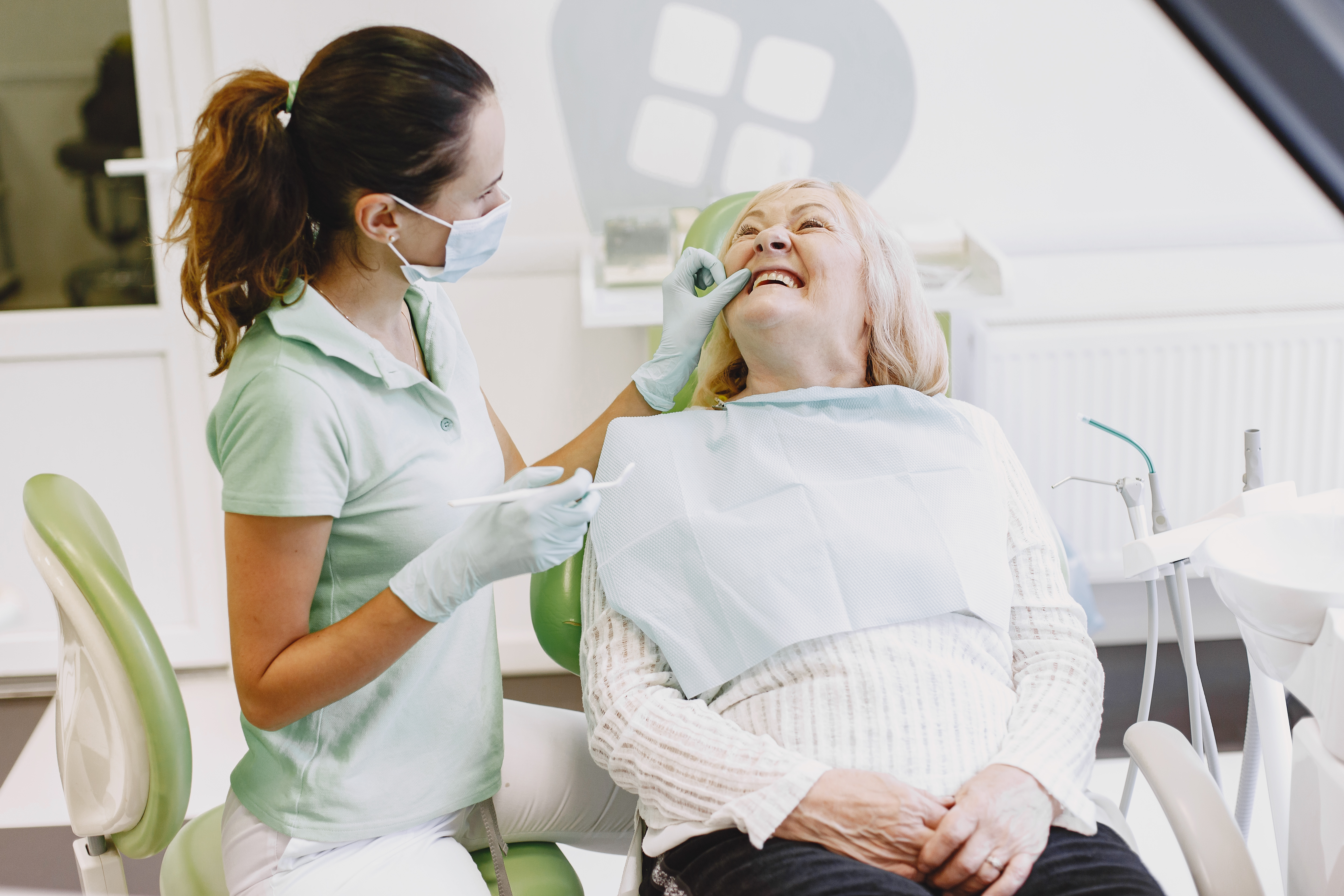
Photo Source: Gustavo Fring via Pexels
Why Oral Health Changes After 60
Several age-related and medication-related changes make oral health more challenging to maintain in later life:
- Dry Mouth (Xerostomia): Saliva is the mouth's primary defense system—it neutralizes acids, washes away food particles, inhibits bacterial growth, and delivers minerals to remineralize enamel. Over 400 commonly prescribed medications (including blood pressure meds, antidepressants, and diuretics) cause dry mouth. When saliva decreases, cavity risks skyrocket.
- Enamel Thinning: Tooth enamel gradually wears down over a lifetime. Thinner enamel leads to increased sensitivity, higher decay risk, and visible yellowing. Because enamel cannot regenerate, prevention is the only cure.
- Gum Recession: Receding gums expose root surfaces that lack enamel protection. Exposed roots are significantly more vulnerable to rapid-moving root cavities.
- Reduced Manual Dexterity: Arthritis or tremors can make thorough toothbrushing and flossing physically difficult, leading to unintentional plaque buildup.
- Bone Loss: Jaw bone density naturally decreases with age, accelerated by osteoporosis or tooth loss. This is the primary reason dentures require periodic refitting.
1. Daily Oral Hygiene — The Foundation
The daily oral hygiene routine becomes more important—not less—with age, because the consequences of plaque buildup develop much faster in older adults.
Essential Daily Practices
- Toothbrushing: Brush twice daily for two minutes using a soft-bristled brush. Medium and hard bristles wear away enamel and damage receding gums. Electric toothbrushes are highly recommended for seniors with limited dexterity.
- Fluoride Toothpaste: Always choose fluoride toothpaste. For seniors at high risk for cavities, dentists can prescribe high-concentration fluoride toothpaste (5,000 ppm vs. standard 1,450 ppm).
- Interdental Cleaning: Flossing cleans the 40% of tooth surfaces that brushes cannot reach. Floss picks, interdental brushes, or water flossers (Waterpik) are excellent accessible alternatives.
- Tongue Scraping: Gently cleaning the tongue removes bacterial buildup, significantly improving breath and overall oral hygiene.

Photo Source: Ron Lach via Pexels
2. Managing Dry Mouth — The Silent Threat
Because dry mouth does not resolve on its own, active management is necessary to prevent severe decay.
💡 Actionable Strategies for Dry Mouth
- Constant Hydration: Sip water continuously throughout the day.
- Saliva Substitutes: Use over-the-counter dry mouth sprays, gels, or rinses containing xylitol (e.g., Biotène).
- Saliva Stimulation: Chew sugarless xylitol gum to stimulate natural saliva flow.
- Overnight Humidifiers: Run a bedroom humidifier to prevent severe nighttime oral dryness.
- Medication Review: Consult your physician to see if medication timing or dosages can be adjusted to minimize dry mouth.
3. Gum Disease & Systemic Health Connections
Periodontal (gum) disease progresses silently, often without pain until advanced stages. Bacteria from infected gums enter the bloodstream, triggering systemic inflammation linked to major health conditions:
- Cardiovascular Disease: Severe gum disease increases heart attack risk by 2 to 3 times.
- Diabetes Complications: Gum disease and diabetes have a bidirectional relationship—each makes the other harder to control.
- Aspiration Pneumonia: Inhaling oral bacteria into the lungs is a leading cause of pneumonia in older adults.
- Cognitive Decline: Emerging research links periodontal pathogens to Alzheimer's disease pathology.
4. Complete Denture & Implant Care Guide
Denture Care Best Practices
Whether wearing partial or full dentures, proper maintenance is essential:
- Clean Daily: Brush dentures overnight with a soft denture brush and non-abrasive cleaner (avoid standard toothpaste, which scratches acrylic).
- Soak Overnight: Never sleep in dentures. Soaking them prevents warping, allows gum tissues to rest, and reduces pneumonia risks.
- Professional Relining: Jawbones naturally change shape over time. Dentures typically require professional relining every 2 to 3 years and full replacement every 5 to 7 years.
Dental Implant Maintenance
While implants cannot develop cavities, the surrounding gums can develop peri-implantitis (an infection that causes bone loss and implant failure). Clean around implants daily with specialized implant floss or a water flosser, and maintain routine 3 to 6-month dental checkups.
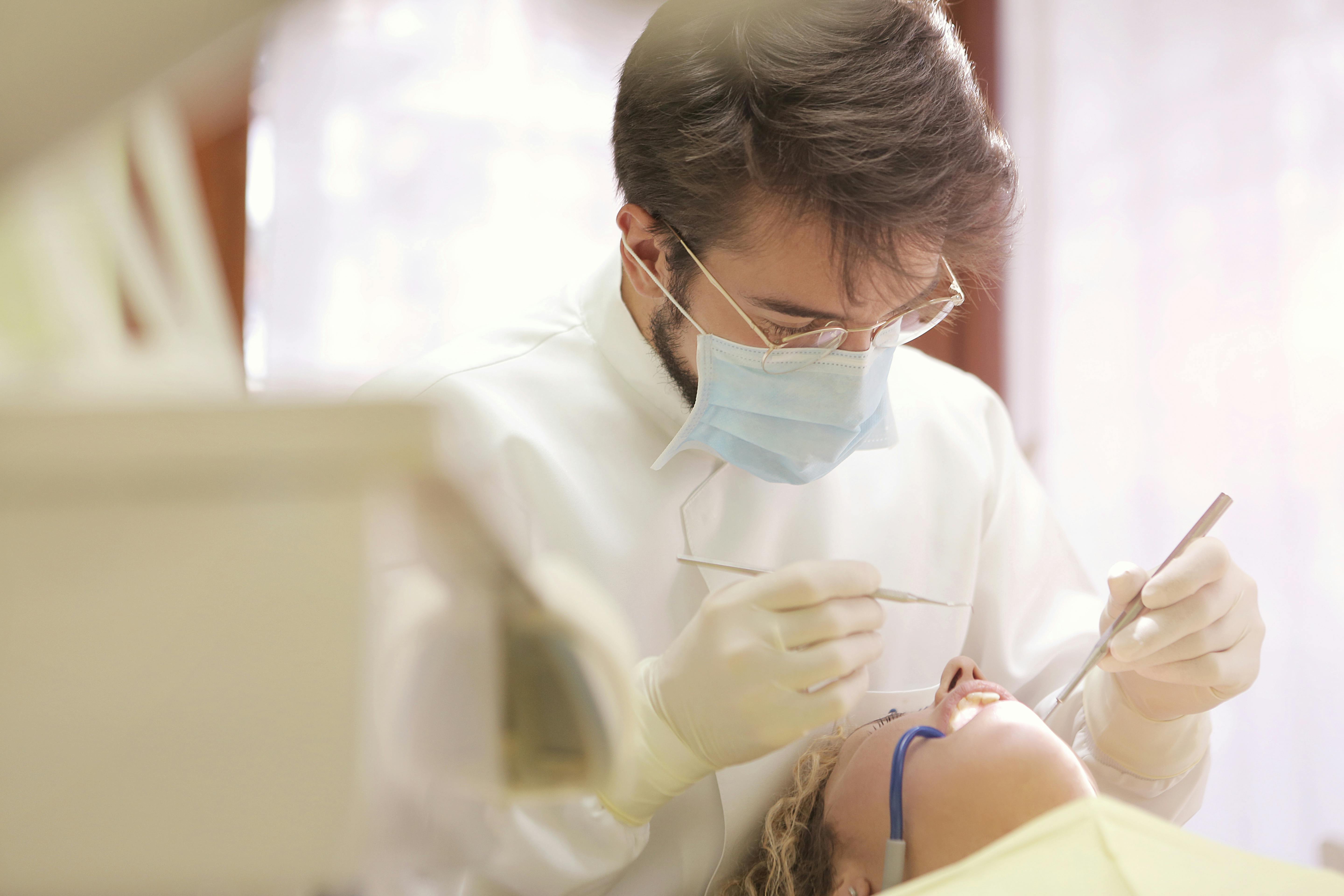
Photo Source: Andrea Piacquadio via Pexels
5. Oral Cancer Screening & Medicare Coverage Gaps
The average age for oral cancer diagnosis is 63. Early detection elevates the 5-year survival rate from 39% to 84%. Dentists perform quick, painless screenings during routine checkups, making regular visits vital even for those with full dentures.
Navigating the Medicare Coverage Gap
A critical fact many seniors discover too late: Traditional Medicare (Parts A and B) does NOT cover routine dental care (cleanings, fillings, or dentures).
Affordable Coverage Options:
- Medicare Advantage (Part C): Many plans offer comprehensive or preventive dental benefits.
- Dental Discount Plans: Offer 10% to 60% discounts at participating providers for a low annual fee.
- Dental Schools & Community Clinics: University dental clinics offer high-quality care supervised by faculty at significantly reduced rates.

Photo Source: Pixabay via Pexels
Senior Oral Health Summary Routine
| Frequency | Recommended Action |
|---|---|
| Twice Daily | Brush for 2 minutes with soft bristles and fluoride toothpaste. |
| Once Daily | Floss or use interdental brushes / water flossers. |
| After Meals | Rinse with water or chew xylitol sugarless gum for dry mouth. |
| Every 6 Months | Professional dental cleaning and routine oral cancer screening. |
| Every 2–3 Years | Professional denture relining (or replacement every 5–7 years). |
🚨 When to See a Dentist Urgently
Seek immediate care if you experience severe tooth pain, facial swelling, non-healing mouth sores (lasting over 2 weeks), sudden bite changes, or loose adult teeth.
Disclaimer: This article is for educational purposes only. For diagnosis and treatment of specific dental conditions, please consult a licensed dentist.


Comments
Post a Comment