Senior Diet and Nutrition Guide 2026: 10 Essential Tips for Healthy Aging
As I got older, I found myself gradually becoming overweight. I kept telling myself, "I really need to go on a diet," but in reality, I continued to indulge my appetite for good food. One day, looking at my visibly protruding belly, I realized I couldn't go on like this. I decided to start hiking the nearby mountains, hoping to burn off the excess weight. However, as anyone who has tried it knows, losing weight through exercise alone after age 60 is far from easy.
When I asked friends for advice, many suggested cutting down my portion sizes, specifically urging me to eliminate carbohydrates entirely. But completely cutting out rice and bread—foods I've enjoyed my entire life—was much easier said than done. It was incredibly difficult to give up the joy of eating and endure constant hunger. Yet, we all know the fundamental truth: to lose weight effectively and sustainably, we must pair exercise with smart, intentional eating habits. The key is not just knowing this principle, but executing it wisely in our daily lives.
Reviewed for accuracy based on the 2026 Dietary Guidelines for Americans and CDC recommendations. Getting older doesn't mean slowing down—it means eating smarter. After age 60, the body's nutritional needs shift in ways that many people don't expect. Muscle mass begins to decline, digestion slows, and the ability to absorb key vitamins like B12 and D decreases significantly. The good news? Small, consistent changes to your daily diet can have a measurable impact on your energy, mental sharpness, and long-term health.
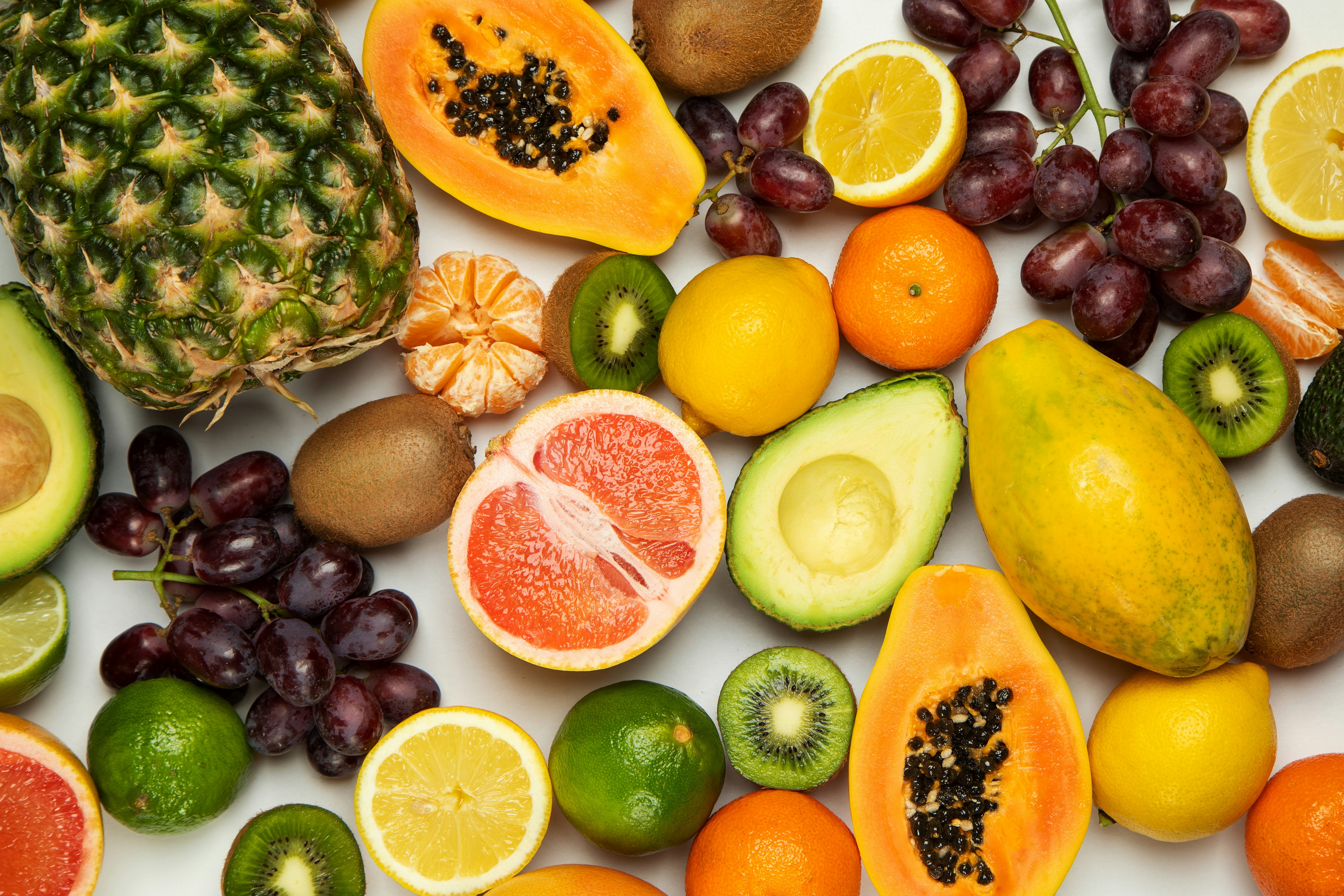
Photo by Md Ishak Raman on Unsplash
1. Eat More Colorful Vegetables and Fruits
Aim for 2 to 3 cups of vegetables and at least two fruit servings daily. Color variety matters—red and orange vegetables like bell peppers and sweet potatoes are packed with beta-carotene, while dark leafy greens such as spinach and kale provide calcium, iron, and folate. Research consistently links high vegetable and fruit intake to reduced risk of high blood pressure, heart disease, stroke, certain cancers, and cognitive decline. If fresh produce isn't always accessible, frozen vegetables are nutritionally equivalent and often more affordable.
Practical tip: Fill half your plate with vegetables and fruit at every meal. Think of it as your easiest daily health investment.
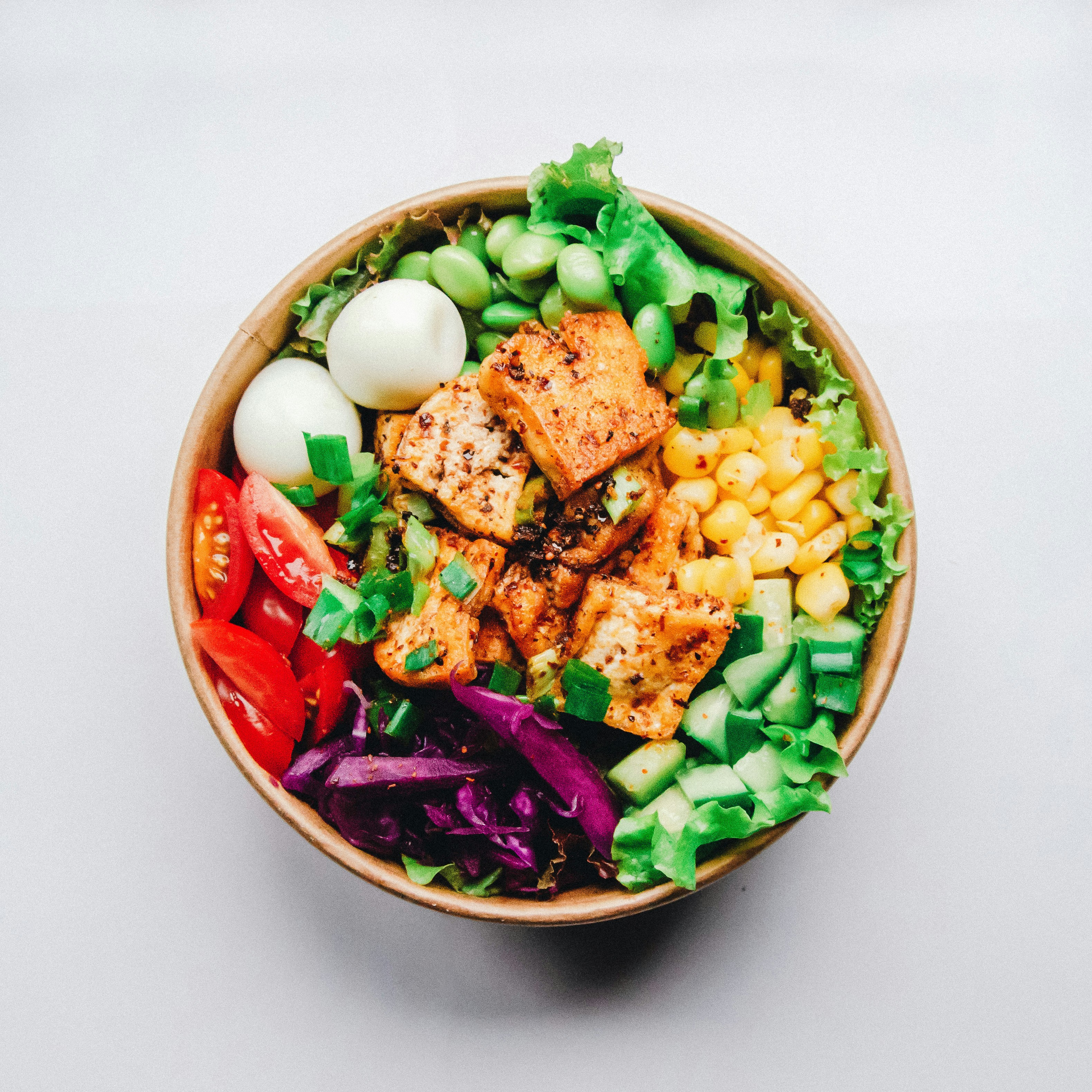
Photo by Ratul Ghosh on Unsplash
2. Prioritize High-Quality Protein
Muscle loss (sarcopenia) accelerates after age 60, and adequate protein intake is one of the most effective ways to slow it down. Seniors generally need more protein per pound of body weight than younger adults—approximately 1.0 to 1.2 grams per kilogram of body weight daily, compared to 0.8g for younger adults. Best protein sources for seniors include wild-caught salmon, eggs, lean chicken, Greek yogurt, lentils, and edamame.
3. Choose Whole Grains Over Refined Carbohydrates
Whole grains—oats, brown rice, quinoa, barley, and whole wheat—retain their fiber, B vitamins, and minerals. Refined grains like white bread and white rice have been stripped of most of these nutrients during processing. Dietary fiber from whole grains supports healthy digestion, helps regulate blood sugar, and contributes to a feeling of fullness that can prevent overeating.
4. Eat a Small Handful of Nuts Every Day
One-quarter to one-third of a cup of mixed nuts daily is linked to lower risk of heart disease, stroke, and type 2 diabetes. Nuts are energy-dense and rich in healthy unsaturated fats, magnesium, and vitamin E. Walnuts are particularly valuable for brain health due to their high alpha-linolenic acid (ALA) content, while almonds support bone health with calcium and magnesium.
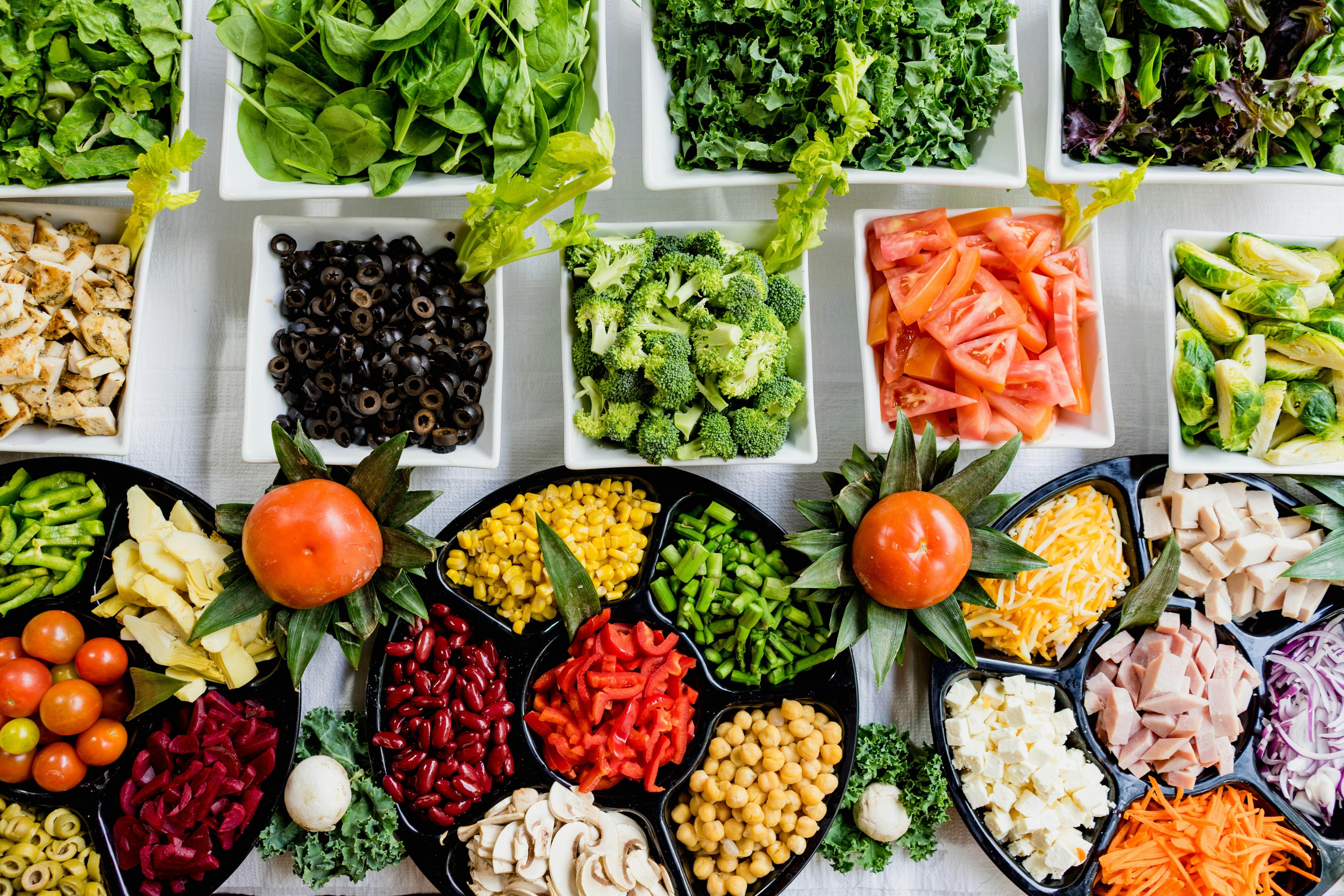
Photo by Maddi Bazzocco on Unsplash
5. Support Brain Health With the Right Foods
Cognitive decline is one of the greatest health concerns for aging adults, but diet plays a powerful protective role. Foods consistently linked to better brain health include fatty fish (salmon, sardines), leafy greens (spinach, kale), berries (especially blueberries), and green tea. Following a Mediterranean or MIND diet pattern has been associated in multiple studies with reduced Alzheimer's disease risk.
6. Stay Consistently Hydrated
Many seniors experience a reduced sense of thirst even when dehydrated, making intentional hydration especially important. Dehydration in older adults can cause confusion, fatigue, urinary tract infections, and increased fall risk. A practical hydration target is to drink approximately one-third of your body weight in ounces per day.

Photo by Centre for Ageing Better on Unsplash
7. Follow the 2026 Updated Dietary Guidelines
The 2026 Dietary Guidelines for Americans introduced several updates relevant to older adults: protein at every meal is explicitly recommended, full-fat dairy is no longer discouraged, ultra-processed foods should be minimized, and olive oil is highlighted as the primary cooking fat.
8. Limit Added Sugars, Sodium, and Saturated Fats
These three dietary components are the leading contributors to chronic disease in older adults. Reading nutrition labels is one of the most effective habits seniors can develop. Look for foods with less than 5% Daily Value for sodium and added sugars per serving.
9. Don't Underestimate the Danger of Excess Salt
High sodium intake is directly linked to hypertension, stroke risk, and kidney disease. The biggest hidden sources are processed and packaged foods like canned soups, deli meats, and frozen meals. Gradually reducing sodium allows your taste preferences to adjust naturally within a few weeks.
10. Focus on Key Vitamins and Minerals for Seniors
Several nutrients become harder to absorb as we age, including Vitamin D, Calcium, Vitamin B12, Potassium, and Magnesium. Consider speaking with your doctor about whether supplementation is appropriate, especially for vitamin D and B12.
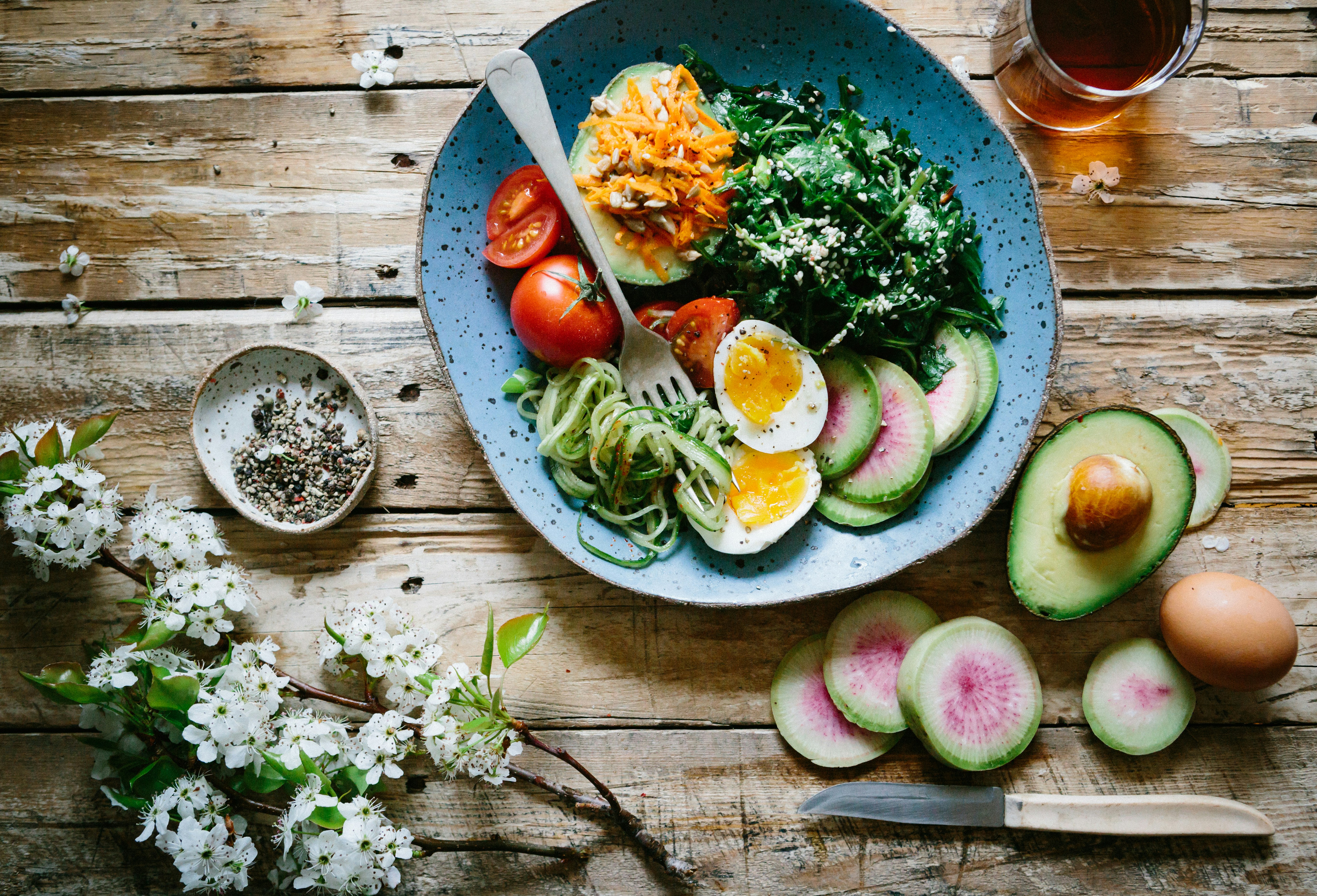
Sample Weekly Meal Pattern for Seniors
| Meal | Monday Example | Thursday Example |
|---|---|---|
| Breakfast | Oatmeal with walnuts and blueberries | Scrambled eggs with spinach and whole grain toast |
| Lunch | Salmon salad with leafy greens and olive oil | Lentil soup with whole grain bread |
| Dinner | Grilled chicken, brown rice, steamed broccoli | Baked cod, sweet potato, sautéed kale |
| Snack | Apple with almond butter | Greek yogurt with berries |
The Bottom Line
No matter your age or your history with food, it's never too late to improve your diet. Managing weight and maintaining vitality after 60 isn't about restriction—it's about making small, sustainable shifts that compound over time. Pairing regular physical activity like hiking with smart nutrition is the ultimate investment in your quality of life.
How do you balance exercise and nutrition in your daily routine? Share your thoughts in the comments below!
(Disclaimer: This article is for educational and wellness purposes only. Consult a registered dietitian or primary care physician for personalized clinical nutrition advice.)


Comments
Post a Comment