Celebrating the Architects of Generations: A Tribute to the Modern Parent

Image
  Today, May 8th, is observed as Parents' Day in Korea. While the air is filled with the scent of red carnations and family gatherings, this day carries a universal significance that resonates with every senior globally. It is a day to honor the "architects" of the next generation—you. In our 93rd post , we move beyond the tradition of receiving flowers and explore how the modern parent of 2026 is redefining what it means to be a "Senior Pillar" in a fast-paced world. 1. You Are More Than a Role For decades, many of us defined ourselves primarily as "Mom" or "Dad." In 2026, the trend of "Authentic Aging" encourages us to reclaim our individual identities. The Evolution of Parenthood: Being a parent doesn't stop when the children grow up; it evolves. You are now a mentor, a storyteller, and most importantly, an individual with your own dreams. Investing in Yourself: The best gift you can give your children today is your own ha...

Natural Ways to Manage Arthritis Pain for Seniors — A 2026 Evidence-Based Guide

Based on Arthritis Foundation guidelines and current rheumatology research.


Arthritis is not a single disease — it's an umbrella term covering more than 100 different joint conditions. But for most older Americans, the conversation centers on two forms: osteoarthritis (OA), the degenerative "wear and tear" type that affects an estimated 32.5 million U.S. adults, and rheumatoid arthritis (RA), an autoimmune condition affecting approximately 1.5 million.

The numbers are significant. According to the CDC, nearly half of all adults over 65 have been diagnosed with some form of arthritis, making it the most common cause of disability in the United States. What's less commonly known is that medication is not the only effective management tool — and for many people, it isn't even the most effective one.

Multiple non-pharmacological approaches have strong evidence for reducing arthritis pain, improving joint function, and maintaining independence. This guide covers eight of them — what the research shows, how to implement them, and how to combine them for maximum benefit.


                                                    Cansu Hangül : https://www.pexels.com/ko-kr/photo/30483049/

Understanding What's Happening in Arthritic Joints

Managing arthritis pain more effectively starts with understanding the underlying biology — because it explains why specific interventions work.

Osteoarthritis involves the gradual breakdown of articular cartilage — the smooth, protective cushioning at the ends of bones in joints. As cartilage thins and becomes irregular, bones begin to contact each other more directly, causing pain, stiffness, and inflammation. Bone spurs (osteophytes) may form as the body attempts to repair the damaged joint surface.

The pain of OA is driven by multiple mechanisms: mechanical stress on exposed bone surfaces, inflammation in the joint lining (synovium), and sensitization of pain pathways that can persist even when inflammation is controlled. This explains why simply reducing inflammation doesn't always eliminate pain — and why a multi-modal approach is more effective than any single intervention.

Rheumatoid arthritis involves the immune system attacking the synovial membrane that lines joints, causing chronic inflammation that damages cartilage and bone. RA is systemic — it can affect multiple joints simultaneously and has implications beyond the joints including cardiovascular and lung health.

The role of inflammation in both: Chronic low-grade inflammation drives pain and progression in both OA and RA. Many of the natural interventions below work primarily by reducing this inflammatory burden.


1. Targeted Exercise — The Most Evidence-Based Intervention

Exercise is counterintuitive for many arthritis sufferers — pain often makes movement seem like the last thing that would help. But the research on this is unambiguous: regular, appropriate exercise is the single most effective non-pharmacological treatment for osteoarthritis pain.

A Cochrane Review of 54 randomized controlled trials involving more than 6,000 adults with knee osteoarthritis found that land-based exercise consistently produced clinically significant reductions in pain and functional improvement. The effect size was comparable to that of over-the-counter pain medications — without the gastrointestinal side effects.

Why does exercise help arthritic joints?

Cartilage nutrition: Cartilage is avascular — it has no direct blood supply. It receives nutrients through compression and decompression during movement, which pumps synovial fluid through the tissue. Inactivity starves cartilage of nutrition and accelerates deterioration. Appropriate movement keeps cartilage healthier for longer.

Muscle support: Muscles around a joint act as shock absorbers and stabilizers. Strong quadriceps, for example, reduce by 30 to 40% the force transmitted through the knee joint during walking and stair climbing. Building these supporting muscles directly reduces pain.

Synovial fluid quality: Regular movement improves the lubrication properties of synovial fluid, reducing friction within the joint.

Most effective exercise types for arthritis:

Aquatic exercise — exercising in water reduces effective body weight by up to 90%, allowing movement that would be painful on land. Water aerobics, pool walking, and swimming all provide joint-friendly cardiovascular and strengthening benefits. Multiple studies show aquatic exercise reduces OA pain comparably to land-based exercise with less discomfort during the sessions themselves.

Strength training — targeting muscles around affected joints (particularly quadriceps and hip muscles for knee and hip OA) provides the strongest long-term pain reduction. Begin with resistance bands or very light weights, focusing on controlled movement through a comfortable range of motion.

Tai chi — specifically studied for arthritis, tai chi reduces pain and stiffness in knee OA and improves balance, reducing fall risk that is elevated in people with joint pain. A New England Journal of Medicine study found tai chi produced equivalent pain reduction to physical therapy for knee OA.

Walking — despite involving the affected joints directly, regular walking at a comfortable pace consistently improves OA pain and function over 8 to 12 weeks of consistent practice.

The starting principle: Start below the pain threshold. Exercise should not significantly worsen pain during or after the session. Mild muscle soreness 24 hours later is acceptable; increased joint pain during exercise is a signal to reduce intensity or modify the activity.


2. Anti-Inflammatory Nutrition

The foods you eat directly influence the level of systemic inflammation in your body — which in turn affects arthritis pain, flare frequency, and disease progression.

Foods with the strongest anti-inflammatory evidence for arthritis:

Fatty fish (salmon, mackerel, sardines, herring) — EPA and DHA omega-3 fatty acids are among the most potent dietary anti-inflammatory compounds available. Research published in Annals of the Rheumatic Diseases found that higher omega-3 intake was associated with significantly lower inflammatory markers and reduced joint destruction in RA patients. For OA, omega-3s reduce synovial inflammation and may slow cartilage loss.

Target: 2 to 3 servings per week of fatty fish, or high-quality omega-3 supplement (2–3g EPA+DHA daily) if fish intake is limited.

Extra virgin olive oil — contains oleocanthal, a compound with anti-inflammatory properties similar in mechanism to ibuprofen. Regular consumption as the primary cooking fat is associated with lower inflammatory markers.

Colorful vegetables and fruits — particularly berries, cherries, spinach, kale, and broccoli — provide antioxidants that combat oxidative stress in joint tissue. Tart cherry juice has specific evidence for reducing gout flares and may reduce OA inflammation.

Turmeric/curcumin — multiple randomized controlled trials have found curcumin (the active compound in turmeric) produces clinically meaningful reductions in OA knee pain comparable to ibuprofen. Curcumin has poor bioavailability alone but is significantly enhanced by black pepper (piperine) or fat. Dosage in studies: 500–1,000mg curcumin daily with piperine.

Foods that worsen arthritis inflammation — to minimize:

Ultra-processed foods — high in refined carbohydrates, trans fats, and inflammatory additives. Associated with higher inflammatory marker levels and worse arthritis outcomes.

Added sugars — promote systemic inflammation and are associated with higher RA disease activity in observational studies.

Red and processed meat — associated with higher inflammatory markers in multiple studies. Reducing rather than eliminating is a reasonable approach.

Alcohol — moderate amounts may have neutral effects for OA, but increase gout risk and worsen RA outcomes. Heavy consumption increases inflammation.


                                                    Alina Matveycheva : https://www.pexels.com/ko-kr/photo/17180485/

3. Weight Management — The Most Modifiable Structural Risk Factor

The relationship between body weight and knee and hip osteoarthritis is direct and quantifiable. For every pound of body weight, the knee joint experiences approximately 4 pounds of force during walking. This means that a 10-pound weight loss reduces knee joint loading by approximately 40 pounds with every step.

Research published in Arthritis & Rheumatology found that among overweight adults with knee OA, losing 10% of body weight produced a 50% reduction in knee pain — a response magnitude that exceeded many pharmaceutical interventions.

For seniors who are overweight, weight management is the highest-leverage intervention available for knee and hip arthritis. Even modest, sustainable weight loss of 5 to 10% of body weight produces clinically meaningful pain reduction.

Practical approach: Weight loss for seniors with arthritis should emphasize:

  • Dietary changes as the primary driver (exercise alone rarely produces significant weight loss)
  • Preservation of muscle mass through adequate protein intake (1.0–1.2g per kg body weight daily) — muscle loss during caloric restriction worsens joint support
  • Low-impact exercise that doesn't worsen joint pain while supporting metabolic health
  • Gradual, sustainable pace — 0.5 to 1 pound per week avoids the muscle loss associated with rapid weight loss

4. Hot and Cold Therapy — Accessible Immediate Relief

Heat and cold therapy are among the most widely used and most immediately effective tools for arthritis pain management — yet many people don't use them systematically or know when each is most appropriate.

Heat therapy: Heat increases blood flow, relaxes muscles, and reduces joint stiffness. It is most effective for:

  • Morning stiffness (heat before morning activity loosens stiff joints)
  • Chronic, achy joint pain without acute inflammation
  • Muscle tension around arthritic joints
  • Before exercise (warming up joints reduces discomfort during movement)

Methods: heating pad, warm shower or bath, heated pool, paraffin wax bath (particularly effective for hand arthritis), microwaveable heat packs.

Apply for 15 to 20 minutes. Never apply heat directly to skin without a protective layer. Don't use heat on joints that are actively swollen or hot — this indicates acute inflammation where cold is more appropriate.

Cold therapy: Cold reduces acute inflammation, numbs pain signals, and decreases joint swelling. It is most effective for:

  • Acutely swollen, warm, or inflamed joints
  • Pain after exercise or activity
  • Flare periods in RA

Methods: ice packs wrapped in a thin cloth, frozen gel packs, bags of frozen vegetables (conform to joint shape).

Apply for 15 to 20 minutes. Never apply ice directly to skin. Allow at least 45 to 60 minutes between applications.

Alternating heat and cold: For chronic OA with occasional flares, many people find alternating heat and cold (contrast therapy) most effective — ending with cold to reduce any activity-induced swelling.


5. Assistive Devices and Joint Protection

Assistive devices redistribute mechanical load away from damaged joints, reducing pain during daily activities and preventing further joint damage. Many seniors resist using them out of concerns about appearance or perceived weakness — a resistance that often leads to greater joint deterioration and functional decline.

Knee braces: For medial compartment knee OA (the most common pattern), an unloader knee brace shifts body weight from the damaged inner portion of the knee to the healthier outer portion. Research shows these braces reduce pain during walking by 20 to 50% for appropriate candidates. A physician or physical therapist can assess whether a brace is appropriate and recommend the right type.

Orthotics and supportive footwear: Foot alignment directly affects knee and hip loading. Custom orthotics or supportive over-the-counter insoles can meaningfully reduce knee pain by correcting biomechanical issues. Lateral wedge insoles specifically reduce medial compartment knee loading.

Footwear matters: shoes with good cushioning and stability reduce joint impact during walking. Flat, flexible shoes (including many "casual" shoes) provide minimal joint protection.

Canes: A cane held in the hand opposite the affected hip or knee reduces joint loading by approximately 25% — a substantial effect. Many people hold canes on the same side as the painful joint (the intuitive choice), which is biomechanically less effective.

Grab bars and adaptive equipment: As covered in the fall prevention guide, grab bars and adaptive equipment reduce the joint stress associated with high-demand activities like getting in and out of the bathtub, rising from the toilet, and managing stairs.


                                                            Vova Kras : https://www.pexels.com/ko-kr/photo/3968083/

6. Physical Therapy — Professional Guided Treatment

Physical therapy provides several benefits that self-directed exercise cannot: professional assessment of movement patterns, identification of specific muscle weaknesses contributing to pain, hands-on manual therapy, and a progressive program tailored to individual joint involvement and functional goals.

What physical therapy for arthritis typically includes:

Manual therapy — hands-on techniques including joint mobilization, soft tissue massage, and myofascial release that reduce pain and improve range of motion. Research shows manual therapy combined with therapeutic exercise produces better outcomes than exercise alone for knee and hip OA.

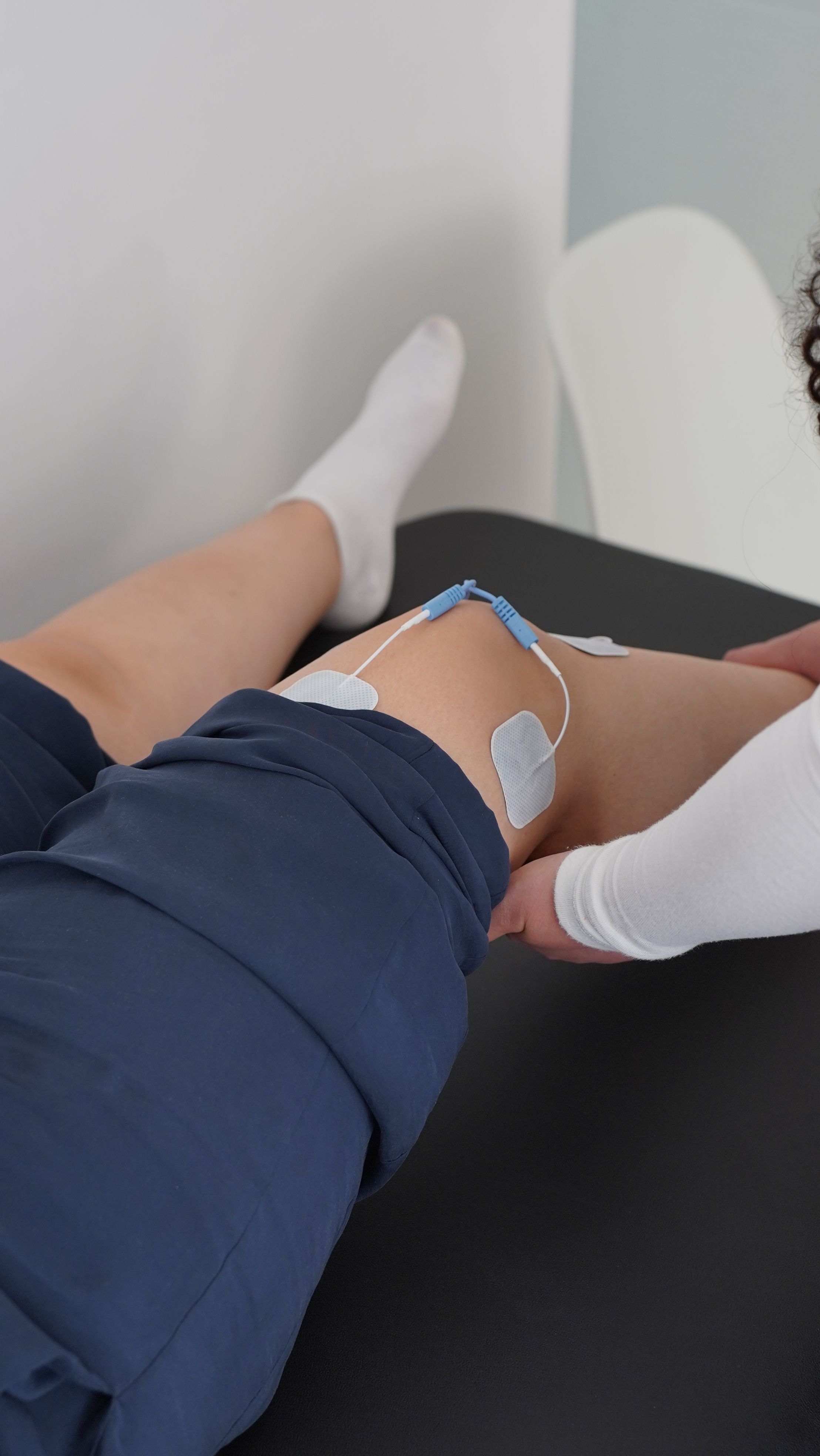
Therapeutic ultrasound and TENS — physical therapists use ultrasound (which delivers heat to deep tissues) and transcutaneous electrical nerve stimulation (TENS — which modulates pain signals) as adjunctive treatments. Evidence is moderate but both are safe and provide symptom relief for many patients.

Gait training — analysis and correction of walking patterns that place excess stress on arthritic joints. Many people develop pain-avoidance movement patterns that actually worsen joint loading over time.

Home exercise program — the most lasting benefit of PT is a customized home exercise program that patients continue independently after formal treatment ends.

Medicare Part B covers physical therapy services for arthritis when prescribed by a physician. For seniors with significant functional limitation from arthritis, a referral to PT is one of the highest-value healthcare decisions available.


7. Mind-Body Approaches — Addressing the Central Pain Component

Arthritis pain involves not just the peripheral joint but also central pain processing. The brain's interpretation of pain signals is influenced by emotional state, stress, sleep quality, and psychological factors — explaining why the same degree of joint damage produces vastly different pain experiences in different people.

Mindfulness-based stress reduction (MBSR) — has demonstrated efficacy for chronic pain conditions including arthritis. An eight-week MBSR program produces measurable reductions in pain intensity, pain-related disability, and psychological distress. The mechanism involves training attentional control over pain processing — reducing the brain's pain amplification response.

Cognitive behavioral therapy (CBT) for pain — addresses catastrophizing (a tendency to expect the worst about pain), which is strongly associated with higher pain intensity and worse functional outcomes. CBT for pain is effective in both individual and group formats.

Relaxation techniques — progressive muscle relaxation, guided imagery, and deep breathing reduce the muscle tension and autonomic stress response that amplify arthritis pain. Even 10 minutes of daily practice produces measurable effects on pain perception over weeks.

Sleep optimization — poor sleep significantly worsens pain sensitivity. Addressing sleep quality (as covered in detail in the sleep guide) is an underutilized component of arthritis pain management.


8. Supplements With Evidence — What the Research Actually Shows

The supplement market for arthritis is enormous and heavily marketed — and most products have weak or no evidence. Below is an honest assessment of those with meaningful research support.

SupplementEvidence LevelDosageNotes
Fish oil (omega-3)Strong for RA2–3g EPA+DHA dailyMost consistent evidence
Curcumin + piperineModerate for OA500–1,000mg curcuminMust include piperine for absorption
Glucosamine sulfateModerate for OA1,500mg dailySulfate form; some people respond, others don't
Chondroitin sulfateModerate for OA800–1,200mg dailyOften combined with glucosamine
Vitamin DModerateVaries by baselineParticularly important if deficient
Boswellia (Indian frankincense)Emerging100–250mg AKBA extractAnti-inflammatory mechanism
Collagen (Type II)Emerging for OA40mg undenaturedPreliminary but promising

Products with insufficient evidence despite heavy marketing:

  • MSM (methylsulfonylmethane): Limited, inconsistent evidence
  • Hyaluronic acid (oral): Poor bioavailability limits effectiveness
  • Most proprietary "joint formula" blends: Often underdosed on active ingredients

Always discuss supplements with your physician — particularly if taking blood thinners (fish oil, vitamin E affect clotting), immunosuppressants (relevant for RA patients), or any medication that might interact.


                                             César Van Leuffelen : https://www.pexels.com/ko-kr/photo/14192472/

Creating Your Personal Arthritis Management Plan

The most effective arthritis management combines multiple approaches simultaneously. Research consistently shows that multimodal treatment — combining exercise, dietary modification, weight management, and other interventions — produces outcomes superior to any single intervention.

A practical starting framework:

Week 1–2: Foundation

  • Begin aquatic exercise or gentle walking 3x per week (15–20 minutes)
  • Implement heat therapy before morning activity
  • Add anti-inflammatory foods (fatty fish 2x/week, daily olive oil, increase vegetables)
  • Request physical therapy referral from physician

Week 3–4: Building

  • Increase exercise to 4–5x per week
  • Add cold therapy after exercise if swelling occurs
  • Begin curcumin supplementation if tolerated
  • Start daily stretching routine for affected joints

Month 2–3: Optimization

  • Progress exercise intensity and duration with PT guidance
  • Evaluate weight management needs
  • Consider assistive devices if appropriate
  • Establish regular sleep routine (poor sleep worsens pain)

Tracking progress: Rate pain on a 0–10 scale daily and track in a notebook or phone app. Track activity level and sleep quality alongside pain ratings. This data helps identify what's working, what's making pain worse, and provides meaningful information for physician appointments.

When to seek urgent medical evaluation:

  • Sudden severe joint pain without trauma
  • Significant joint swelling accompanied by warmth and redness (may indicate infection or gout)
  • Joint pain with fever
  • New neurological symptoms (numbness, weakness)
  • Significant functional decline despite conservative management

This article is for educational purposes only. Arthritis management should be supervised by a qualified healthcare provider. Always consult your physician before starting new supplements, exercise programs, or making significant changes to arthritis management.

Comments

Popular posts from this blog

Healthy Morning Habits That Help Seniors Start the Day Strong

Why Swimming Is One of the Best Exercises for Seniors — And How to Get Started

How Social Connection Protects the Brain After 60 — The Science of Staying Connected