Celebrating the Architects of Generations: A Tribute to the Modern Parent

Image
  Today, May 8th, is observed as Parents' Day in Korea. While the air is filled with the scent of red carnations and family gatherings, this day carries a universal significance that resonates with every senior globally. It is a day to honor the "architects" of the next generation—you. In our 93rd post , we move beyond the tradition of receiving flowers and explore how the modern parent of 2026 is redefining what it means to be a "Senior Pillar" in a fast-paced world. 1. You Are More Than a Role For decades, many of us defined ourselves primarily as "Mom" or "Dad." In 2026, the trend of "Authentic Aging" encourages us to reclaim our individual identities. The Evolution of Parenthood: Being a parent doesn't stop when the children grow up; it evolves. You are now a mentor, a storyteller, and most importantly, an individual with your own dreams. Investing in Yourself: The best gift you can give your children today is your own ha...

How Seniors Can Improve Digestive Health After 60 — A Complete Guide

 Based on American Gastroenterological Association guidelines and digestive health research for older adults — 2026.


Digestive health rarely gets the attention it deserves in conversations about healthy aging — yet the gastrointestinal system undergoes significant changes after 60 that affect everything from nutrient absorption to immune function to cognitive health.

According to the American College of Gastroenterology, digestive complaints are among the most common reasons older adults visit their physicians. Constipation affects approximately 40% of adults over 65. Gastroesophageal reflux disease (GERD) prevalence increases with age. Nutrient malabsorption — even with adequate dietary intake — becomes increasingly common as the digestive system ages.

What makes digestive health particularly important for seniors is the emerging research on the gut-brain axis and the gut microbiome — the complex ecosystem of trillions of bacteria living in the intestinal tract that influences not just digestion but immune function, inflammation, mood, and cognitive health. A healthy gut after 60 is not merely about comfort — it is a foundation for overall health.


                                                              Ella Olsson: https://www.pexels.com/ko-kr/photo/1640777/

How the Digestive System Changes After 60

Understanding age-related digestive changes explains why strategies that worked at 40 may need adjustment at 65.

Reduced stomach acid production: Gastric acid secretion decreases with age — a condition called hypochlorhydria affects an estimated 30% of adults over 65. Stomach acid plays essential roles beyond digestion: it activates digestive enzymes, kills ingested pathogens, and enables absorption of vitamin B12, calcium, iron, and magnesium. Reduced acid production directly contributes to the nutrient deficiencies common in older adults.

Slowed gastric emptying: The rate at which the stomach empties food into the small intestine slows with age. This delayed gastric emptying contributes to earlier satiety (feeling full sooner), reduced appetite, bloating, and increased reflux symptoms.

Reduced intestinal motility: The muscular contractions that move food through the intestines (peristalsis) become less vigorous with age, slowing transit time through the colon. This slower transit is the primary driver of age-related constipation — one of the most prevalent and impactful digestive complaints in older adults.

Microbiome changes: The gut microbiome — the community of bacteria, fungi, and other microorganisms inhabiting the intestinal tract — changes significantly with age. Beneficial bacteria species (particularly Bifidobacterium and Lactobacillus) decline, while potentially harmful species increase. This dysbiosis (microbial imbalance) is associated with increased intestinal inflammation, reduced immune function, and higher risk of digestive conditions.

Reduced enzyme production: Digestive enzyme secretion from the pancreas and small intestine decreases with age, reducing the efficiency of carbohydrate, protein, and fat digestion. This contributes to bloating, gas, and incomplete nutrient absorption even when diet is adequate.


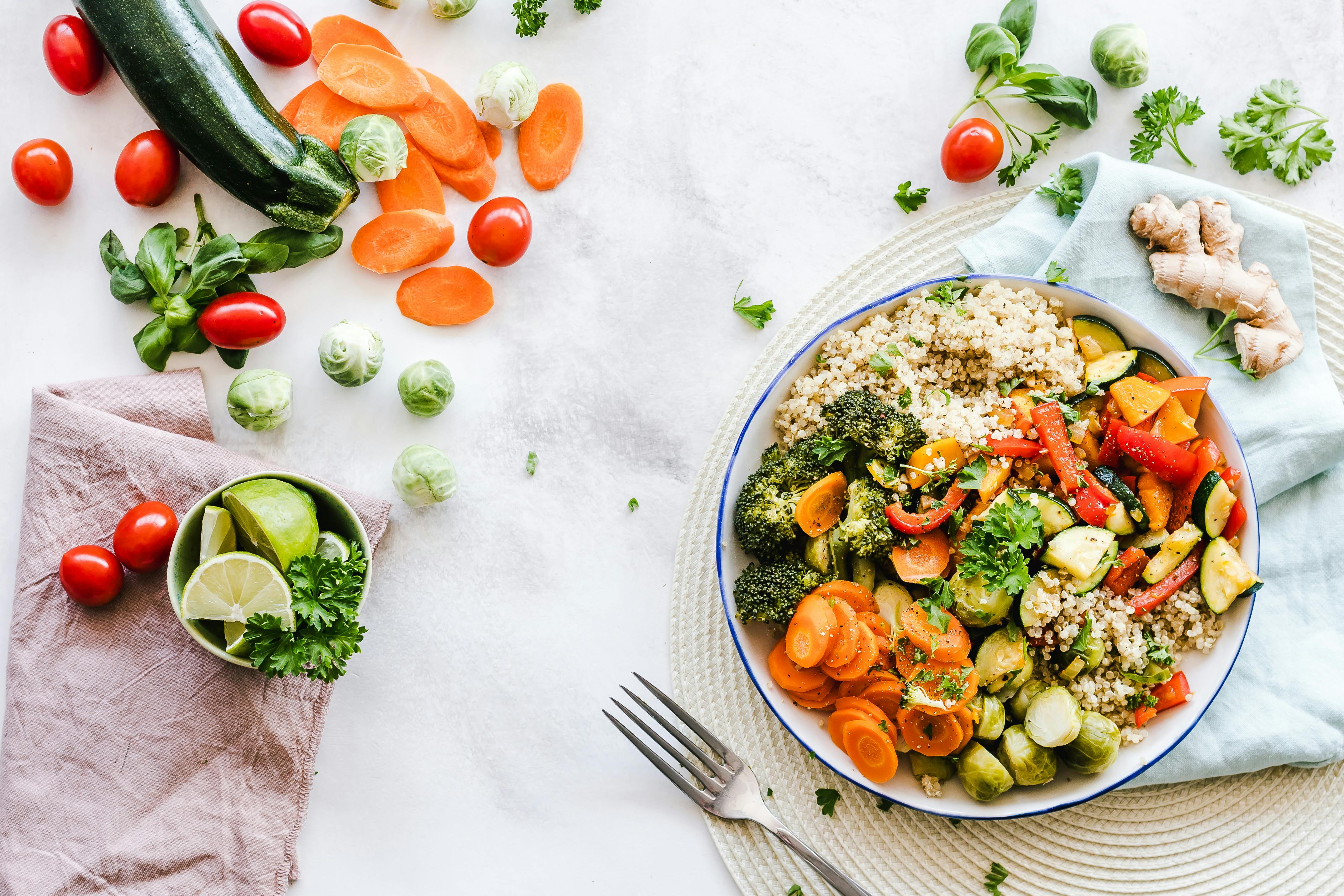
1. Fiber — The Most Important Dietary Factor for Senior Digestive Health

Dietary fiber is the single most evidence-supported dietary intervention for digestive health in older adults — yet the majority of seniors consume less than half the recommended amount.

How fiber supports digestive health: Soluble fiber dissolves in water to form a gel that slows digestion, feeds beneficial gut bacteria, lowers cholesterol, and moderates blood sugar response. Insoluble fiber adds bulk to stool and accelerates intestinal transit, preventing constipation.

Recommended daily fiber intake for seniors:
    Women over 50: 21 grams per day
    Men over 50: 30 grams per day
    Average American senior currently consumes: approximately 10 to 15 grams per day

High-fiber foods particularly beneficial for seniors:

FoodFiber ContentAdditional Benefit
Oats (1 cup cooked)4g soluble fiberLowers cholesterol
Black beans (½ cup)7.5gPlant protein
Lentils (½ cup cooked)8gIron, folate
Avocado (½ medium)5gHealthy fats
Raspberries (1 cup)8gAntioxidants
Broccoli (1 cup)5gVitamin C, K
Psyllium husk (1 tbsp)7g solubleMost efficient fiber supplement
Chia seeds (2 tbsp)10gOmega-3s

Increasing fiber safely: Increasing fiber intake too rapidly causes significant gas and bloating — a common reason people abandon high-fiber diets. Increase by 3 to 5 grams per week, and always increase water intake simultaneously. Fiber without adequate hydration worsens constipation rather than relieving it.


                                                         Vlada Karpovich: https://www.pexels.com/ko-kr/photo/5790812/

2. Hydration — Essential for Every Aspect of Digestion

Water is required at every stage of digestion — from saliva production to enzyme activation to stool formation. Dehydration is one of the most common and most correctable contributors to constipation and digestive discomfort in older adults.

As detailed in the hydration guides, seniors face compounded dehydration risk: reduced thirst perception, reduced kidney efficiency, medications that increase fluid losses, and reduced total body water. The digestive consequences of chronic mild dehydration include harder stools, slower intestinal transit, increased constipation severity, and reduced digestive enzyme effectiveness.

Hydration targets for digestive health:
    Minimum: 6 to 8 cups (1.5 to 2 liters) of fluid daily
    More if taking diuretics, during hot weather, or with high fiber intake
    Distribute throughout the day rather than consuming large amounts at once

Best fluids for digestive health:
Water — the gold standard
     Herbal teas — particularly ginger (reduces nausea, improves gastric motility),                     peppermint (reduces bloating), and chamomile (reduces intestinal spasm)
    Warm liquids in the morning — stimulate gastric motility and support morning bowel        movements
    Prune juice — contains sorbitol, a natural laxative compound; 4 to 8 ounces effective         for constipation relief

Fluids that worsen digestive symptoms:
    Carbonated beverages — increase gas and bloating
    Excessive coffee — stimulates acid production and can worsen GERD
    Alcohol — damages intestinal lining and disrupts microbiome


3. Probiotics and the Gut Microbiome

The gut microbiome has emerged as one of the most significant factors in overall health — and one of the most actively researched areas in medicine. For seniors, supporting a healthy microbiome has implications beyond digestion.

What the microbiome does:
Produces vitamins (K2, B12, folate) that the body cannot synthesize independently
    Trains and regulates the immune system — approximately 70% of immune cells reside       in the gut
    Produces neurotransmitters including serotonin (90% of the body's serotonin is                 produced in the gut)
   Protects against pathogenic bacteria through competitive exclusion
     Metabolizes medications, affecting their efficacy and side effects

Supporting the microbiome through diet:

Probiotic foods (contain live beneficial bacteria):
    Yogurt with live active cultures — most accessible and well-studied
    Kefir — more diverse bacterial strains than yogurt; well tolerated by many lactose-             intolerant individuals
    Kimchi — also provides fiber and antioxidants
    Sauerkraut (unpasteurized) — pasteurization kills beneficial bacteriaMiso — also                 provides protein

Prebiotic foods (feed beneficial bacteria):
    Garlic, onions, leeks — contain inulin, a powerful prebiotic fiber
    Asparagus, Jerusalem artichokes
    Bananas (particularly slightly underripe)
    Oats — beta-glucan fiber feeds Bifidobacterium species

Probiotic supplements: The evidence for probiotic supplements is strain-specific and    condition-specific. Well-supported applications for seniors include:
    Lactobacillus rhamnosus GG — most studied strain; reduces antibiotic-associated             diarrhea and supports immune function
    Bifidobacterium longum — reduces constipation and improves stool consistency
    Saccharomyces boulardii — reduces risk of C. difficile infection (particularly relevant         for seniors who take antibiotics frequently)


                                                         cottonbro studio: https://www.pexels.com/ko-kr/photo/6293191/

4. Exercise and Digestive Health

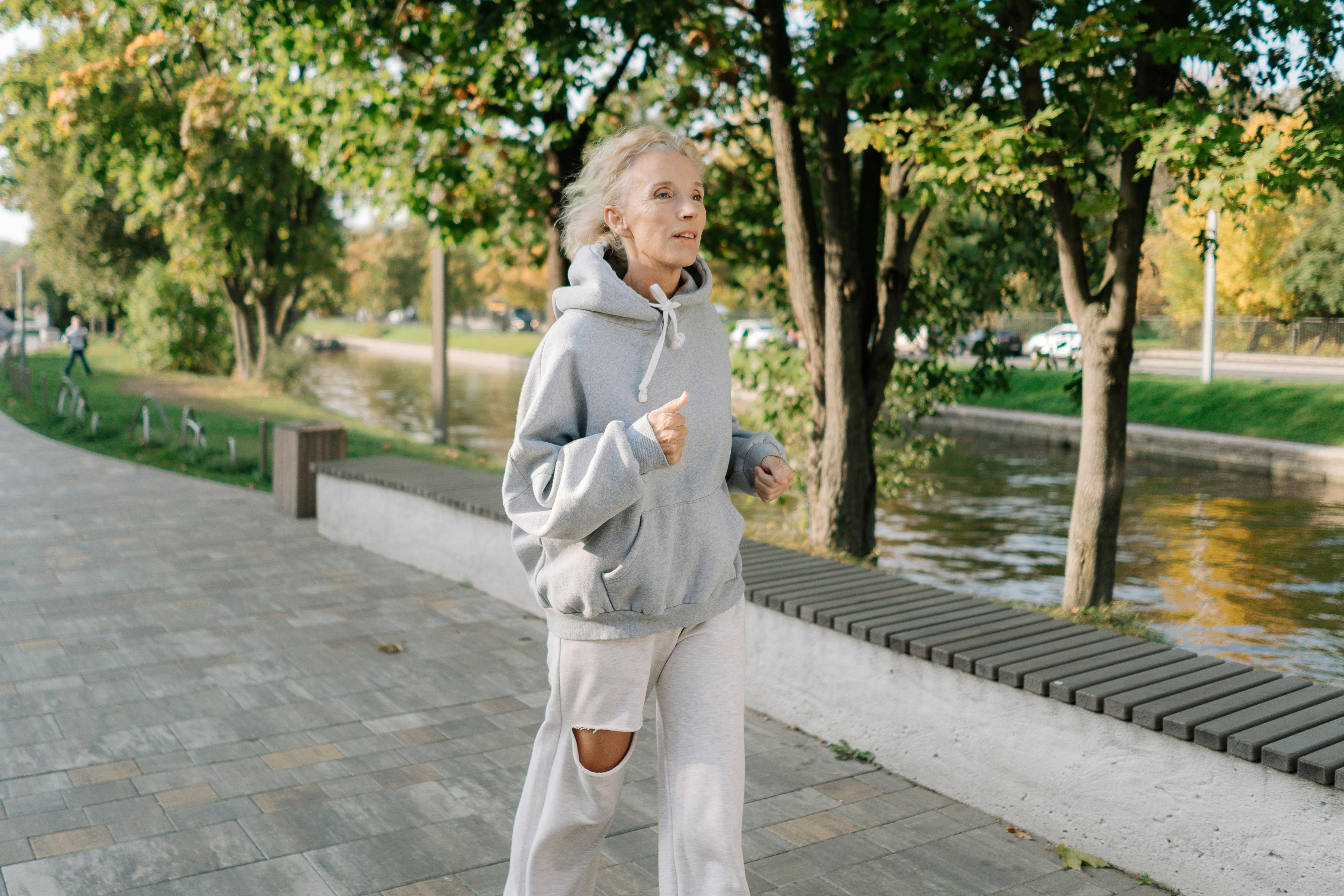
Physical activity directly stimulates intestinal motility through multiple mechanisms — making it one of the most effective non-dietary interventions for digestive health.

How exercise improves digestion: Exercise increases blood flow to the intestines, stimulates the enteric nervous system (the gut's own nervous system), and reduces the transit time of food through the colon. A study published in the American Journal of Gastroenterology found that increasing physical activity reduced constipation symptoms by 44% in sedentary older adults — comparable to fiber supplementation.

Most effective exercise for digestive health:
    Walking — particularly after meals; even a 10 to 15 minute post-meal walk significantly      reduces gastric emptying time and post-meal bloating
    Yoga — specific poses (particularly twists and forward folds) directly massage                    abdominal organs and stimulate intestinal motility
    Core strengthening — improves abdominal muscle function that supports bowel             movements

Timing matters: Post-meal walking is particularly valuable for digestive health. Walking for 10 to 15 minutes after each meal improves gastric emptying, reduces post-meal blood sugar spikes, and reduces bloating — making it one of the highest-return habits available for senior digestive health.


5. Managing the Most Common Senior Digestive Conditions

Constipation: The most prevalent digestive complaint in older adults. A systematic approach:

  1. Increase fiber gradually to 25 to 30 grams daily
  2. Ensure adequate hydration (minimum 8 cups daily)
  3. Exercise daily — particularly post-meal walking
  4. Establish a consistent bathroom routine (attempt at the same time each morning, ideally 20 to 30 minutes after breakfast when the gastrocolic reflex is strongest)
  5. Elevate feet on a small stool when using the toilet — improves the anorectal angle for easier passage

If lifestyle measures are insufficient: osmotic laxatives (polyethylene glycol/Miralax) are safe for regular use in older adults. Stimulant laxatives (senna) should be used occasionally rather than regularly.

GERD (Acid Reflux): Becomes more common with age due to weakened lower esophageal sphincter and hiatal hernia. Management:
    Eat smaller, more frequent meals
    Avoid lying down within 3 hours of eating
    Elevate head of bed 6 to 8 inches
    Identify and avoid trigger foods (common triggers: spicy food, citrus, tomatoes, coffee,      alcohol, chocolate, mint)
    Lose weight if overweight — even modest weight loss significantly reduces GERD             symptoms
    Avoid tight-fitting clothing around the abdomen

Bloating and gas: Often caused by specific fermentable carbohydrates (FODMAPs) — found in onions, garlic, beans, wheat, and certain fruits. A low-FODMAP diet trial (ideally supervised by a registered dietitian) identifies specific triggers. Digestive enzyme supplements taken with meals reduce gas from bean and vegetable consumption.


                                                        cottonbro studio: https://www.pexels.com/ko-kr/photo/5961944/

When to See a Doctor

While most digestive changes in seniors are manageable with lifestyle modifications, certain symptoms require prompt medical evaluation:

SymptomUrgency
Blood in stool or black tarry stoolsImmediate — same day
Unexplained significant weight lossUrgent — within days
Severe abdominal painImmediate
Difficulty swallowingUrgent
Persistent vomitingUrgent
Change in bowel habits lasting more than 3 weeksSoon — within weeks
Constipation not responding to lifestyle measuresSchedule appointment

Colorectal cancer screening: Adults over 45 should be screened for colorectal cancer. Colonoscopy every 10 years remains the gold standard — it is both diagnostic and therapeutic (polyps can be removed during the procedure). Stool-based tests (Cologuard, FIT test) are alternatives for those who decline colonoscopy. Medicare covers colorectal cancer screening.


Daily Digestive Health Routine for Seniors

TimeAction
MorningWarm glass of water upon waking; consistent breakfast with fiber
After breakfast10–15 minute walk; attempt bathroom at consistent time
Throughout dayConsistent hydration; probiotic food with one meal
After lunchBrief walk
EveningLight dinner; avoid eating within 3 hours of bedtime
Daily30+ minutes total physical activity

This article provides general educational information about digestive health for older adults. Persistent or concerning digestive symptoms should always be evaluated by a qualified healthcare provider. Do not delay seeking medical attention for the urgent symptoms listed above.

Comments

Popular posts from this blog

Healthy Morning Habits That Help Seniors Start the Day Strong

Why Swimming Is One of the Best Exercises for Seniors — And How to Get Started

How Social Connection Protects the Brain After 60 — The Science of Staying Connected