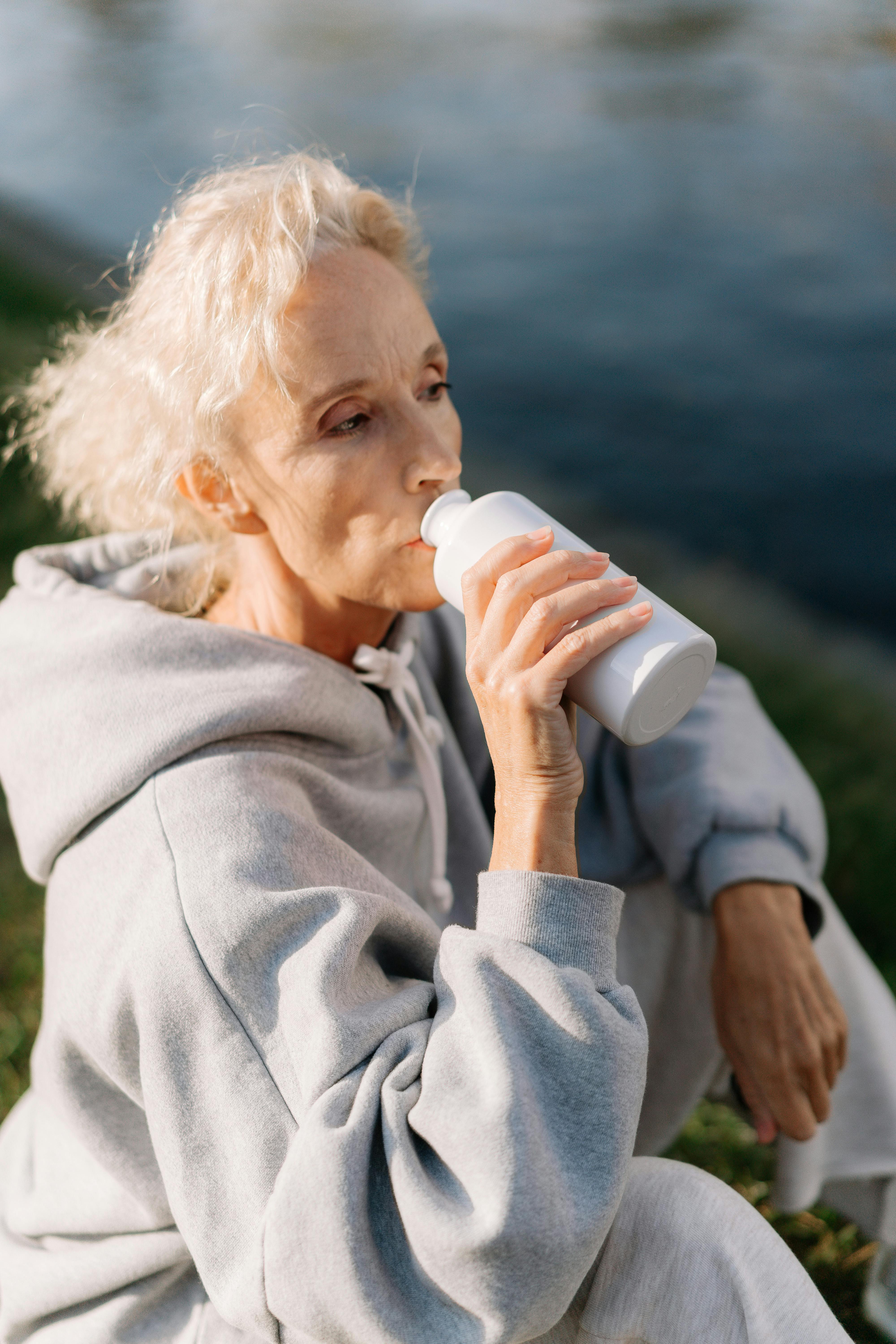
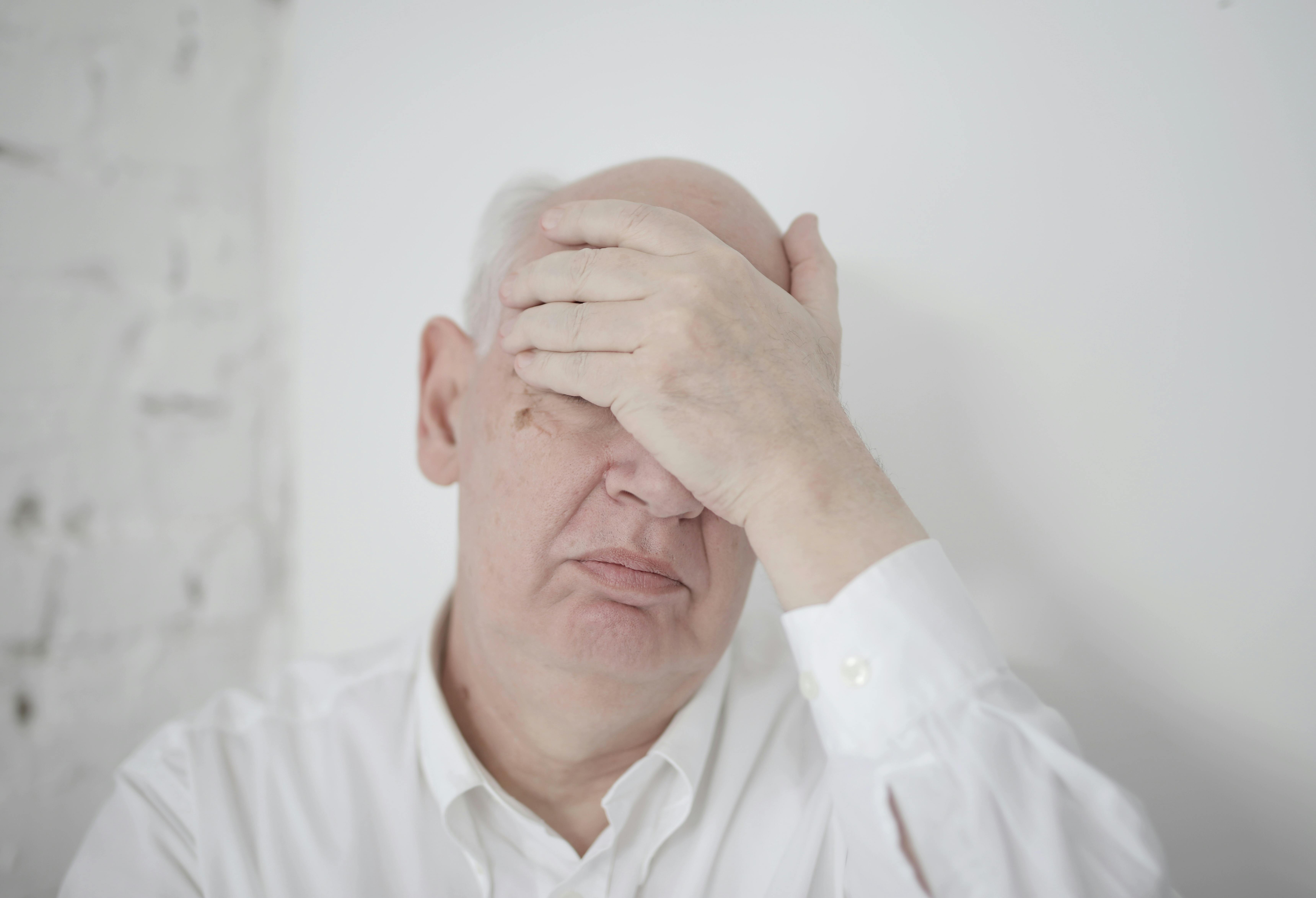
Warning Signs of Dehydration Seniors Should Never Ignore
- Get link
- X
- Other Apps
Water makes up roughly 60% of the human body — and as we age, that balance becomes harder to maintain and easier to lose. Adults over 60 face a compounding set of hydration challenges that younger people simply don't encounter: a diminished thirst response, reduced kidney efficiency, a higher likelihood of taking medications that increase fluid loss, and a lower total body water percentage to begin with.
The result is that dehydration is significantly more common in older adults than most people realize. According to research published in the European Journal of Clinical Nutrition, up to 40% of community-dwelling seniors may be chronically underhydrated — many without any awareness of it.
What makes this particularly dangerous is that the early symptoms of dehydration in older adults are easy to miss or misattribute. Fatigue gets written off as normal aging. Confusion gets attributed to a "bad day." Dizziness gets accepted as something that just happens now.
Knowing what to actually look for — and understanding the physiology behind each symptom — can help seniors and caregivers catch dehydration early, before it escalates into something more serious.
cottonbro studio: https://www.pexels.com/ko-kr/photo/6293195/
1. Persistent Dry Mouth and Cracked Lips
Dry mouth is often the first noticeable signal that the body's fluid levels are dropping. Saliva production requires adequate hydration — when fluid intake is insufficient, the salivary glands reduce output, leaving the mouth feeling sticky, uncomfortable, and difficult to use for swallowing or speaking.
For seniors, this matters beyond comfort. Reduced saliva increases the risk of:
- Oral infections and tooth decay (saliva is the mouth's primary defense against bacteria)
- Difficulty chewing and swallowing, which can reduce food intake and worsen nutritional status
- Bad breath, which can signal bacterial overgrowth in a dry oral environment
Important distinction: Many common medications — including antihistamines, antidepressants, diuretics, and blood pressure medications — also cause dry mouth as a side effect. This doesn't mean the symptom should be ignored; in fact, seniors on these medications need to be even more proactive about hydration because the medication may be masking the thirst signal that would otherwise prompt them to drink.
Cracked or chapped lips that don't resolve with lip balm are often a companion sign of dehydration that goes unnoticed. If both dry mouth and cracked lips are present together, increasing fluid intake immediately is warranted.
2. Dark Yellow or Strong-Smelling Urine
Urine color is one of the most reliable and accessible indicators of hydration status — and one of the easiest to monitor daily.
When the body is adequately hydrated, urine should be pale straw yellow to nearly clear. As dehydration progresses, the kidneys conserve water by producing less urine and concentrating waste products more densely. The result is darker, more pungent urine.
A practical color guide:
- Pale yellow to clear = well hydrated ✅
- Medium yellow = mildly under-hydrated, drink more water
- Dark yellow or amber = significantly dehydrated, increase fluids immediately
- Brown or orange = severely dehydrated or possible medical issue — seek medical attention
Reduced urination frequency is equally important to monitor. Most adults urinate six to eight times per day when well hydrated. Urinating fewer than four times per day often indicates dehydration.
Note: Certain foods (beets, asparagus, blackberries) and some vitamin supplements (particularly B vitamins) can temporarily alter urine color or odor. If you've consumed these recently, urine color may not accurately reflect hydration status.
Nicola Barts : https://www.pexels.com/ko-kr/photo/7925908/
3. Unexplained Fatigue and Muscle Weakness
When fluid levels drop, blood becomes slightly more viscous (thicker), and the cardiovascular system must work harder to circulate it efficiently. The practical result for seniors is a noticeable drop in energy — muscles receive less oxygen, organs operate less efficiently, and the effort required for normal activities increases.
What makes this symptom particularly deceptive is how easily it blends into the general experience of aging. Many seniors attribute persistent tiredness to getting older, disrupted sleep, or simple lack of motivation — when the actual cause may be chronic mild dehydration that has never been fully addressed.
Research from the Journal of Nutrition found that even mild dehydration — defined as a body water loss of just 1 to 2% — produced significant increases in perceived fatigue and reduced physical performance in older adults, even during low-intensity activities.
Signs that fatigue may be dehydration-related:
- Tiredness that appears or worsens in the afternoon (when cumulative daily fluid deficit is highest)
- Muscle cramps, particularly in the legs or feet
- Weakness that improves noticeably after drinking fluids
- Fatigue accompanied by other signs on this list (dry mouth, dark urine)
4. Dizziness and Increased Fall Risk
Dizziness when standing up — medically termed orthostatic hypotension — is one of the more dangerous symptoms of dehydration in seniors, primarily because of its direct link to falls.
When fluid volume in the bloodstream is low, blood pressure drops. This effect is most pronounced when changing positions — sitting to standing, or lying down to sitting. The brain momentarily receives less blood flow, producing a sensation of lightheadedness, visual darkening, or unsteadiness.
Falls are the leading cause of injury-related death among adults over 65 in the United States, according to the CDC. Dehydration-induced orthostatic hypotension is a documented and preventable contributor to fall risk.
Practical steps to reduce this risk:
- Rise slowly from seated or lying positions — pause for 10 to 15 seconds before moving
- Sit on the edge of the bed for 30 seconds before standing in the morning
- Ensure adequate fluid intake throughout the day, not just in the evening
- Avoid standing up quickly after prolonged sitting
If dizziness upon standing is frequent, consistent, or accompanied by other symptoms, medical evaluation is important. Orthostatic hypotension can also be caused or worsened by medications, and a doctor can assess whether medication adjustment is appropriate.
Andrea Piacquadio: https://www.pexels.com/ko-kr/photo/3868459/
5. Headaches That Don't Have an Obvious Cause
The brain is encased in cerebrospinal fluid — a water-based buffer that protects it from impact and pressure changes. When total body hydration drops, this fluid volume decreases slightly, allowing the brain to experience more pressure sensitivity.
Additionally, dehydration causes blood vessels to narrow in response to reduced fluid volume, restricting blood flow to the brain. Both mechanisms can trigger headaches — typically described as a dull, persistent pressure rather than sharp pain.
Dehydration headaches tend to:
- Appear in the afternoon or early evening after a day of insufficient fluid intake
- Improve within 30 to 60 minutes of drinking one to two glasses of water
- Be accompanied by other dehydration symptoms rather than occurring in isolation
- Worsen when bending forward or moving the head
For seniors who experience frequent headaches, reviewing daily fluid intake is a worthwhile first step before attributing the headaches to other causes. Tracking whether headaches correlate with days of lower fluid intake can help identify this pattern.
6. Confusion, Difficulty Concentrating, or Sudden Cognitive Changes
Of all the symptoms on this list, cognitive changes related to dehydration are perhaps the most clinically significant — and the most frequently misidentified.
The brain is approximately 75% water, and even small deficits in hydration measurably impair its function. Research published in the British Journal of Nutrition found that a fluid loss of just 1.36% produced significant impairments in working memory, attention, and mood in adult participants.
In older adults, these effects are amplified. The aging brain has less physiological reserve, meaning the impact of dehydration on cognitive performance is greater and appears at lower levels of fluid deficit.
What dehydration-related cognitive changes look like:
- Sudden difficulty finding words or following conversations
- Increased confusion about time, place, or recent events
- Noticeably slower thinking or reaction time
- Irritability or mood changes without clear cause
- Difficulty completing familiar tasks
Critical caution for caregivers: Acute confusion in an older adult — particularly confusion that develops over hours or a day — should always prompt consideration of dehydration as a possible cause before assuming cognitive decline. A simple intervention (offering fluids, monitoring for improvement over one to two hours) can quickly clarify whether hydration is a factor.
If confusion is severe, persistent, or accompanied by fever, seek medical attention promptly.
7. Dry, Less Elastic Skin
Skin elasticity — its ability to snap back after being gently pinched — decreases with age naturally. However, dehydration accelerates this effect and produces additional visible signs that can help identify fluid deficit.
The skin turgor test used by healthcare providers involves gently pinching the skin on the back of the hand or forearm, holding for two seconds, and releasing. In a well-hydrated younger person, the skin returns to its flat position almost immediately. In older adults, some delay is normal due to age-related changes in skin elasticity. However, skin that remains "tented" (raised) for more than two to three seconds may indicate dehydration.
Additional skin signs associated with dehydration:
- Increased skin dryness even with regular moisturizer use
- Skin that feels rough or papery rather than smooth
- Deeper appearance of fine lines and wrinkles (temporary — resolves with rehydration)
- Lips that remain cracked despite lip balm application
While skin assessment alone is not a reliable diagnostic tool for dehydration, it provides a useful additional data point when other symptoms are also present.
Charlotte May: https://www.pexels.com/ko-kr/photo/5946618/
How Much Water Do Seniors Actually Need?
The commonly cited "eight glasses a day" guideline is not specifically calibrated for older adults. Current recommendations from the National Academies of Sciences suggest:
| Gender | Total Daily Fluid Intake |
|---|---|
| Men over 60 | Approximately 3.7 liters (125 oz) total from all sources |
| Women over 60 | Approximately 2.7 liters (91 oz) total from all sources |
Importantly, these totals include fluids from food — fruits, vegetables, soups, and other water-rich foods typically contribute 20 to 30% of total daily fluid intake.
Practical hydration strategies that actually work for seniors:
Schedule fluid intake rather than relying on thirst — set reminders or build drinking into existing routines (a glass with each meal, a glass when taking medications, a glass before bed).
Increase water-rich foods — watermelon, cucumber, celery, oranges, strawberries, and broth-based soups all contribute meaningfully to hydration.
Make water more appealing — many seniors drink more when water is flavored with lemon, cucumber, mint, or berries. Herbal teas (caffeine-free) count toward fluid intake.
Monitor the environment — hot weather, air conditioning (which dries indoor air), and physical activity all increase fluid requirements beyond baseline.
Track output as well as input — pale urine and regular urination frequency are the most reliable signs that hydration goals are being met.
When to Seek Medical Attention
Most mild dehydration in seniors can be addressed by increasing fluid intake over several hours. However, medical evaluation is warranted when:
- Confusion or disorientation develops or worsens
- The senior is unable or unwilling to drink fluids
- Vomiting or diarrhea is preventing fluid retention
- Signs of severe dehydration are present (very dark urine, rapid heartbeat, sunken eyes, extreme fatigue)
- Symptoms do not improve within a few hours of increased fluid intake
Severe dehydration in older adults can deteriorate quickly and may require intravenous fluids in a medical setting. Early intervention is always better than waiting.
This article is for informational purposes only. Consult your physician or healthcare provider regarding any symptoms or concerns about hydration and health.
- Get link
- X
- Other Apps
Comments
Post a Comment